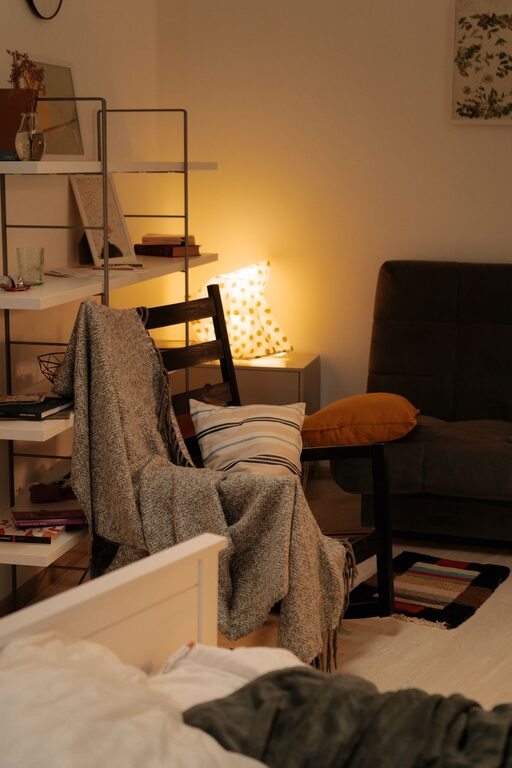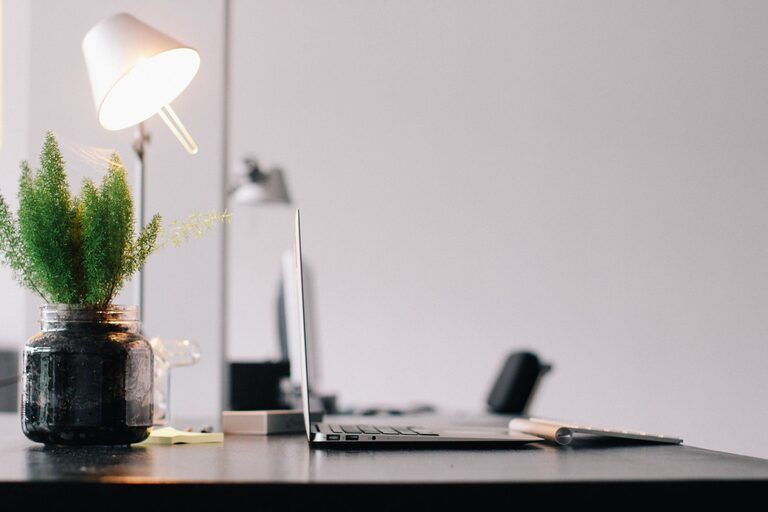
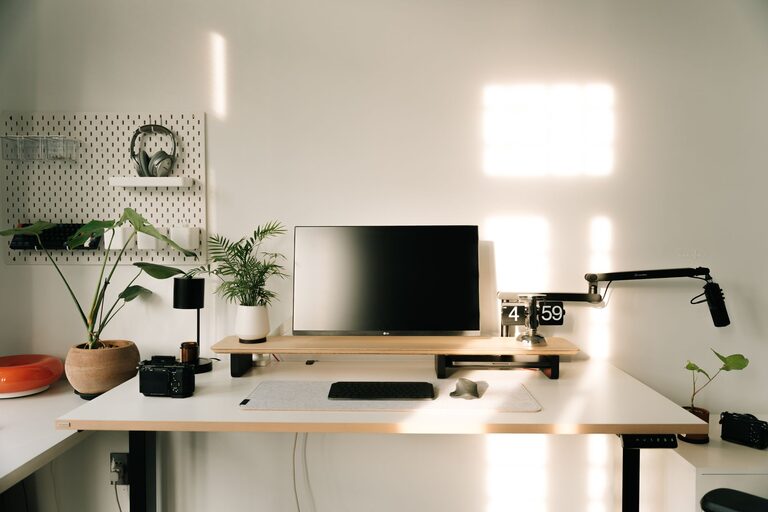
Creating a productive home office environment is essential for anyone working remotely or managing tasks from home. A well-designed workspace can improve focus, reduce distractions, and support healthy work habits. Whether you have a dedicated room or a small corner, there are simple strategies you can use to make your home office both comfortable and efficient. This post will guide you through practical tips for setting up a home office that helps you stay productive throughout your workday.
Choose the Right Location
Finding the best spot for your home office is the first step toward productivity. Ideally, select a quiet, low-traffic area where you can concentrate without frequent interruptions. If possible, a separate room can help create a clear boundary between work and personal life.
– Natural light: Choose a space near a window to benefit from daylight, which can enhance mood and reduce eye strain.
– Avoid distractions: Stay away from noisy areas like kitchens or living rooms where family members tend to gather.
– Limit foot traffic: Position your desk in a way that you face away from busy pathways to minimize disruptions.
Invest in Ergonomic Furniture
Comfort and proper posture are key to maintaining focus and preventing discomfort during long work hours.
– Ergonomic chair: Look for a chair that supports your lower back, promotes good posture, and allows feet to rest flat on the floor.
– Adjustable desk: If possible, use a desk with adjustable height or consider a sit-stand desk to vary your position.
– Appropriate desk size: Ensure your desk has enough surface area for your computer, documents, and any tools you use regularly.
Organize Your Workspace
A clutter-free desk makes it easier to concentrate and find what you need quickly.
– Use storage solutions: Drawers, shelves, and organizers can keep office supplies in order.
– Limit distractions: Keep personal items and unrelated clutter out of sight to maintain a professional atmosphere.
– Cable management: Use clips or cable organizers to prevent tangled wires and create a neater look.
Optimize Lighting
Good lighting reduces eye strain and keeps you alert.
– Natural light: Prioritize natural daylight whenever possible.
– Ambient lighting: Use ceiling lights to provide a general level of brightness.
– Task lighting: Desk lamps with adjustable brightness and direction help illuminate your workspace precisely.
Personalize Thoughtfully
Adding personal touches can make your workspace inviting, but keep it balanced to avoid distractions.
– Plants: Small indoor plants can improve air quality and create a calming environment.
– Artwork or photos: Display a few items that inspire you or bring positive feelings.
– Color choices: Choose colors that promote focus and tranquility, such as soft blues or greens.
Minimize Noise and Distractions
Sound can significantly affect concentration.
– Noise-canceling headphones: Useful for blocking out background noise.
– White noise machines or apps: These can mask disruptive sounds and create a steady audio backdrop.
– Set boundaries: Communicate your work schedule to household members to reduce interruptions.
Establish Daily Routines
Consistency helps your mind switch into work mode and increases productivity.
– Set regular hours: Keeping consistent start and end times builds structure.
– Take breaks: Schedule short breaks to stretch and rest your eyes.
– Use time management techniques: Methods like the Pomodoro Technique can enhance focus and efficiency.
Ensure Technology Is Reliable
Reliable tech equipment supports smooth workflow and reduces frustration.
– Strong internet connection: Make sure your Wi-Fi is fast and stable.
– Backup devices: Keep extra chargers or peripherals handy.
– Regular updates: Keep your computer and software updated to avoid interruptions.
Promote Healthy Habits
Your well-being affects how productive you can be.
– Stay hydrated: Keep a water bottle at your desk.
– Move regularly: Incorporate light stretching or walking to prevent stiffness.
– Maintain good posture: Adjust your chair and desk setup to prevent aches.
Final Thoughts
Designing a productive home office is about creating a space that physically supports your work and mentally prepares you to focus. By choosing the right location, organizing your desk, optimizing lighting, and establishing routines, you can improve your work-from-home experience. Remember, small adjustments can make a big difference in your daily productivity and overall comfort. Start with a few of these tips and build your ideal home office over time.

Related Posts