
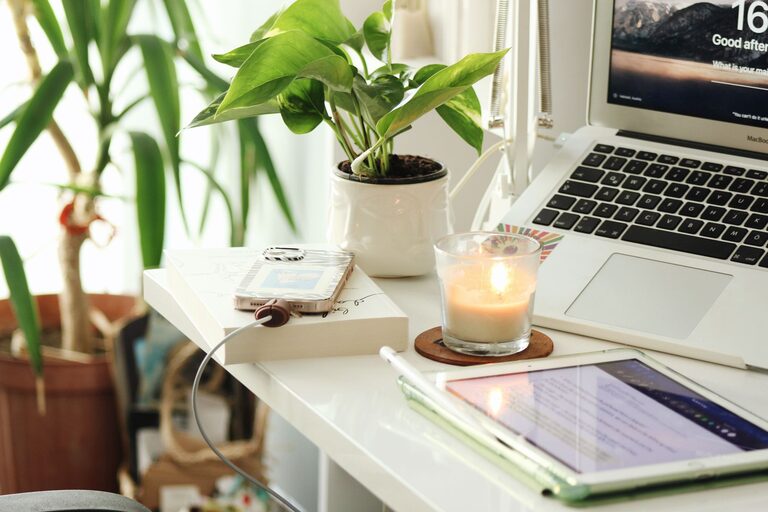
Creating a cozy and productive home office is essential for anyone working remotely or managing tasks from home. A well-designed workspace can boost your focus, improve your mood, and help you maintain a healthy work-life balance. Here are practical tips to help you create a home office that is both comfortable and efficient.
1. Choose the Right Location
Picking the perfect spot in your home is the first step. Look for a quiet area with minimal distractions, preferably near a window for natural light.
– Natural Light: Exposure to daylight can increase energy and focus.
– Privacy: Select a location away from noisy areas like the kitchen or living room.
– Space Availability: Ensure there’s enough room for your desk, chair, and storage needs.
2. Invest in Comfortable and Functional Furniture
Your comfort directly affects your productivity, so invest in quality furniture tailored to your needs.
Ergonomic Chair
Choose a chair that supports your back and promotes good posture. Adjustable height and lumbar support are key features to look for.
Desk Options
Pick a desk with enough surface area for your computer, notes, and other tools. Standing desks or adjustable desks provide flexibility during long working hours.
3. Optimize Lighting
Good lighting reduces eye strain and creates a pleasant atmosphere.
– Natural Light: As mentioned earlier, position your desk near windows.
– Task Lighting: Use desk lamps with adjustable brightness to illuminate your workspace during darker hours.
– Ambient Lighting: Soft overhead lights can add warmth and coziness to the room.
4. Keep Your Workspace Organized
A cluttered workspace can lead to distractions and decreased productivity. Develop habits and systems to keep your area orderly.
– Storage Solutions: Use shelves, filing cabinets, or drawer organizers to keep supplies neat.
– Minimalist Approach: Only keep essential items on your desk.
– Cable Management: Utilize cable clips or sleeves to prevent cords from tangling.
5. Personalize Your Space
Adding personal touches can make your office more inviting and comfortable.
– Decor: Add artwork, plants, or photos that inspire you.
– Color Choices: Neutral or calming colors like light blues or greens promote focus, while pops of bright colors can energize.
– Comfort Items: Include cushions, a cozy rug, or a blanket to make the space feel warm.
6. Incorporate Technology Wisely
Ensure your home office is equipped with the right technology to support your work.
– Reliable Internet Connection: A strong Wi-Fi signal or wired connection prevents disruptions.
– Quality Hardware: Use ergonomic keyboards, a good microphone for calls, and dual monitors if needed.
– Cable Organization: Keep cords tidy to avoid mess and damage.
7. Set Boundaries and Routine
Creating a productive workspace is also about mindset and routines.
– Defined Work Hours: Stick to a schedule to separate work from personal time.
– Break Area: Consider a separate spot to relax during breaks, helping your mind reset.
– Avoid Multitasking in Your Workspace: Use this space exclusively for work to help your brain focus.
8. Use Plants to Boost Mood and Air Quality
Adding greenery to your office can improve well-being and create a refreshing feel.
– Low Maintenance Plants: Succulents, snake plants, or pothos thrive indoors with minimal care.
– Placement: Position plants where they receive enough light but don’t clutter your desk.
9. Sound Control for Focus
Noise can be distracting when working from home. Use these ideas to maintain a quiet environment.
– Noise-Canceling Headphones: Great for blocking background noise.
– Soundproofing: Add rugs, curtains, or acoustic panels to absorb sound.
– Background Music: Low-volume instrumental music or white noise can help concentration.
Conclusion
Designing a home office that balances coziness with productivity is a rewarding project. By carefully selecting the location, investing in ergonomic furniture, optimizing lighting, and personalizing your space, you create an environment that inspires you to work efficiently. Remember to keep your workspace organized and use thoughtful technology choices to minimize distractions. Most importantly, establish routines and boundaries that support your focus and well-being. With these tips, your home office can become a place where comfort and productivity go hand in hand.
