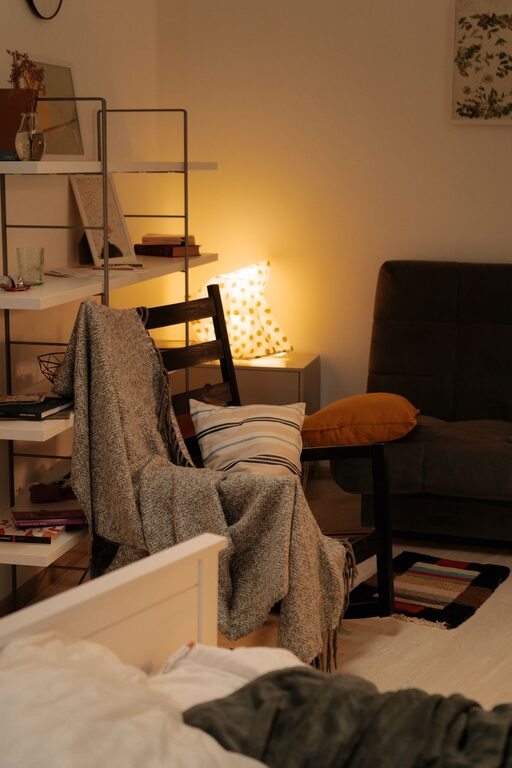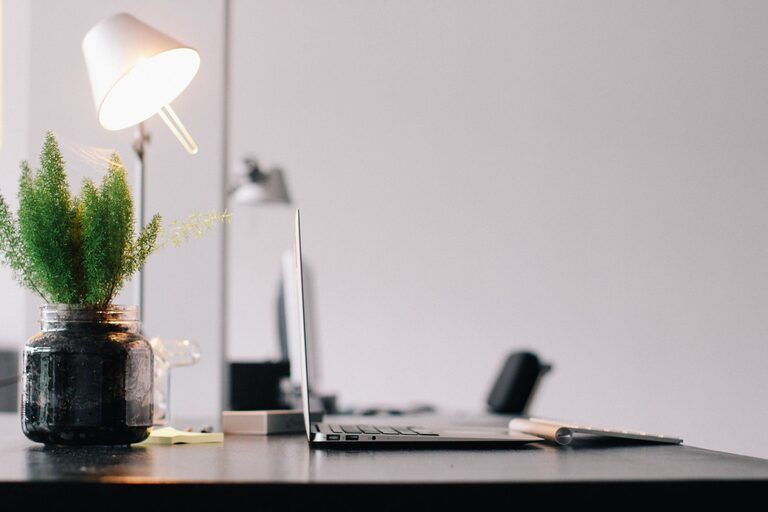
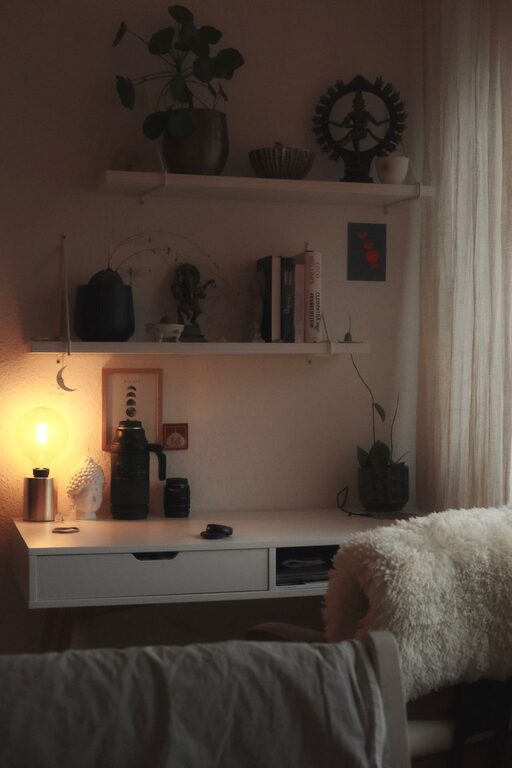
Creating a relaxing home office environment can dramatically improve your focus, productivity, and overall well-being. Whether you’re new to working from home or looking to refresh your current workspace, small changes can make a big difference in how you feel throughout the day. This guide offers practical tips to help you design a peaceful and comfortable home office.
Why a Relaxing Home Office Matters
A home office isn’t just a place to work—it’s where you spend hours each day completing tasks, attending meetings, and staying connected. A stressful environment can lead to distractions, fatigue, and lower job satisfaction. Conversely, a space designed for relaxation and comfort encourages creativity, concentration, and positive mental health.
Choosing the Right Location
Consider Natural Light
Try to set up your workspace near a window. Natural light improves mood and energy levels, and it reduces eye strain caused by artificial lighting. If natural light isn’t available, opt for soft, warm-toned lighting to create a soothing atmosphere.
Minimize Distractions
Choose a quiet spot with minimal interruptions. A room with a door or a corner away from busy areas of your home can help maintain focus.
Comfortable and Functional Furniture
Invest in an Ergonomic Chair
Proper support is key to avoiding back and neck pain. Look for a chair that encourages good posture, has adjustable height, and offers lumbar support.
Select a Spacious Desk
Your desk should have enough surface area to hold your computer, accessories, and any necessary paperwork without feeling cluttered.
Consider Standing Options
A standing desk or adjustable desk converter can encourage movement throughout the day, which is beneficial for both physical and mental health.
Organize for Calm
Declutter Regularly
A cluttered desk can create a sense of overwhelm. Keep your workspace tidy by removing unnecessary items and only keeping what you need within reach.
Use Storage Solutions
Drawers, shelves, and organizers help keep supplies out of sight but within easy access. Labeling storage areas can make finding things quick and simple.
Go Digital When Possible
Reduce paper piles by scanning documents and organizing files digitally. This also makes it easier to back up important information.
Personalize Your Space
Add Greenery
Plants bring life to your office and can improve air quality. Choose low-maintenance plants like succulents or pothos for an easy-care option.
Display Motivating Objects
Photos, artwork, or inspirational quotes can boost your mood. Keep these items light and positive without overwhelming your workspace.
Choose Soothing Colors
Soft, neutral colors tend to create a calming environment. Consider shades of blue, green, or beige for walls or decorative accents.
Manage Sound and Noise Levels
Use Noise-Canceling Headphones
If you’re in a noisy household, headphones can help you focus during calls or important tasks.
Consider Background Music
Soft instrumental music or nature sounds can drown out distracting noises and create a tranquil setting.
Add Soft Textiles
Rugs, curtains, and cushions absorb sound and make the room feel warmer and more inviting.
Establish Healthy Habits
Take Regular Breaks
Step away from your desk every hour to stretch, walk, or practice breathing exercises. Breaks help reduce stress and prevent burnout.
Stay Hydrated and Snack Smart
Keep a water bottle handy and opt for nutritious snacks to maintain energy levels.
Set Boundaries
Define your work hours and communicate them with family or roommates to avoid interruptions.
Incorporate Technology Thoughtfully
Use Cable Management
Tidy cables with clips or sleeves to keep your desk organized and safe from tripping hazards.
Optimize Screen Position
Place your computer screen at eye level to reduce neck strain and maintain good posture.
Ensure Proper Lighting for Screens
Avoid glare on your screen by positioning lights appropriately and considering an anti-glare screen protector.
Final Thoughts
Designing a relaxing home office doesn’t require a complete overhaul. By focusing on light, comfort, organization, and personal touches, you can create a space that feels inviting and supports your workday. Remember, a calm environment supports not only productivity but also your overall happiness.
Take the time to experiment with different setups and find what works best for you. Small steps today can lead to a more enjoyable and effective work-from-home experience tomorrow.

Related Posts