
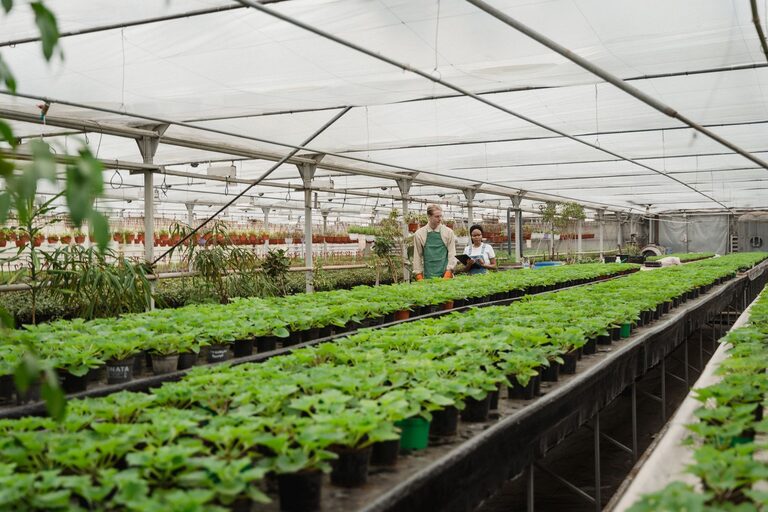
Creating a sustainable home garden is a rewarding way to connect with nature, grow your own food, and reduce your environmental impact. By adopting simple, eco-friendly gardening practices, you can enjoy a healthy garden that thrives throughout the year. Whether you have a small balcony, a backyard, or a community plot, these tips will help you maintain your garden sustainably in every season.
Why Choose a Sustainable Home Garden?
Sustainability in gardening means using methods that are environmentally friendly, conserve resources, and promote biodiversity. A sustainable garden supports soil health, reduces waste, conserves water, and encourages beneficial insects and wildlife. The result is a garden that naturally thrives, requiring less chemical input and energy, and bringing long-term joy and productivity.
Planning Your Year-Round Sustainable Garden
Start with Local and Native Plants
Choose plants suited to your local climate and soil conditions. Native plants are often more resilient, requiring less water and care. They also support local pollinators and wildlife, which enhances your garden’s ecosystem.
Crop Rotation and Companion Planting
To maintain soil fertility and reduce pests, rotate your crops regularly. Avoid planting the same family of vegetables in the same place each season. Companion planting, where certain plants are grown together for mutual benefit, can also improve growth and deter pests naturally.
Use Raised Beds or Containers
If soil quality is poor, raised beds or containers give you control over the soil and drainage. They also help conserve space and reduce weeds, making gardening more manageable.
Soil Care and Composting
Test and Improve Your Soil
Healthy soil is the foundation of a sustainable garden. Simple soil testing kits can help you understand pH and nutrient levels. Amend your soil with organic matter such as compost or well-rotted manure to improve texture and fertility.
Set Up a Compost System
Composting kitchen scraps, garden waste, and fallen leaves reduces landfill waste and creates nutrient-rich compost for your plants. Composting at home is easy with a bin or pile and supports healthy soil biology.
Water Conservation Tips
Collect Rainwater
Install rain barrels to collect runoff from your roof. This free water source can be used during dry periods and reduces strain on municipal water.
Use Efficient Watering Techniques
Water your garden early in the morning or late in the evening to reduce evaporation. Drip irrigation systems and soaker hoses deliver water directly to plant roots, minimizing waste.
Mulch to Retain Moisture
Apply an organic mulch layer such as straw, bark, or leaves around plants to retain soil moisture, suppress weeds, and add nutrients as it breaks down.
Seasonal Gardening Tips
Spring: Prepare and Plant
– Clear debris and add compost to beds.
– Start seedlings indoors to get a head start.
– Plant cool-season crops like lettuce, peas, and broccoli.
Summer: Protect and Water Wisely
– Shade delicate plants during extreme heat.
– Continue regular watering, focusing on drip irrigation.
– Harvest crops regularly to encourage continued growth.
Fall: Clean Up and Plan
– Remove spent plants to prevent disease.
– Plant cover crops like clover to add nutrients and protect soil.
– Prepare soil with compost for winter.
Winter: Plan and Protect
– Use mulches and row covers to protect perennials.
– Plan next year’s garden layout.
– Provide habitats for beneficial insects by leaving some plant stalks or installing insect hotels.
Encouraging Biodiversity
Incorporate a variety of plants to attract pollinators like bees and butterflies. Plant flowers, herbs, and native shrubs to create a welcoming environment. Avoid pesticides that can harm helpful insects and consider natural pest control methods, such as introducing ladybugs or using neem oil.
Reduce Waste and Reuse Materials
Use recycled materials for garden beds, paths, and decorations. Save seeds from your best plants to grow the next season. Repurpose kitchen scraps and old containers to minimize waste and keep costs low.
Final Thoughts
Creating a sustainable home garden is an ongoing process that adapts with the seasons. By focusing on soil health, water conservation, native plants, and biodiversity, you will build a thriving garden that benefits both you and the planet. Happy gardening!
